Stainless Steel Drainage Channels Paired with Grease Traps Enhance Efficiency in Commercial Kitchen Wastewater Management

Recently, urban management and environmental protection authorities across various regions have launched targeted campaigns to address wastewater issues among food service businesses. Tackling industry pain points—such as the direct discharge of kitchen grease, clogged piping networks, and failure to meet environmental compliance standards—a drainage system combining "stainless steel drainage channels" and "standardized grease traps" has emerged as the mainstream solution for kitchen renovations, effectively resolving grease pollution at the source.
For a long time, kitchens in small-to-medium restaurants, canteens, and food courts have lacked tiered filtration facilities. Food scraps and kitchen grease were often flushed directly into municipal pipelines, frequently causing blockages and siltation. This not only burdened businesses with high costs for clearing drains but also damaged the urban aquatic environment and violated regulations such as the *Regulations on Urban Drainage and Sewage Treatment*. Consequently, many businesses have received rectification orders and penalties for failing to install oil-water separation equipment.

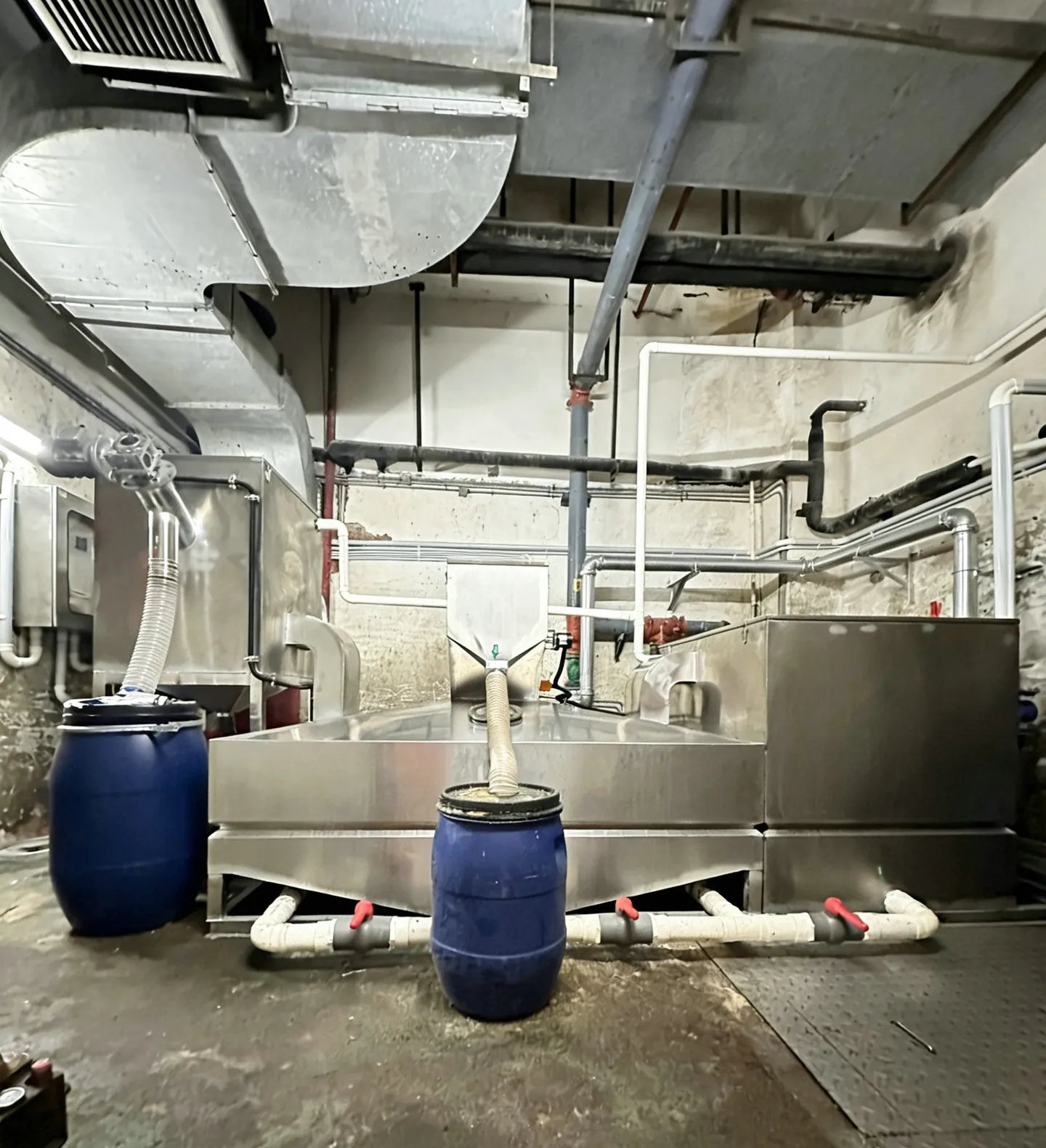
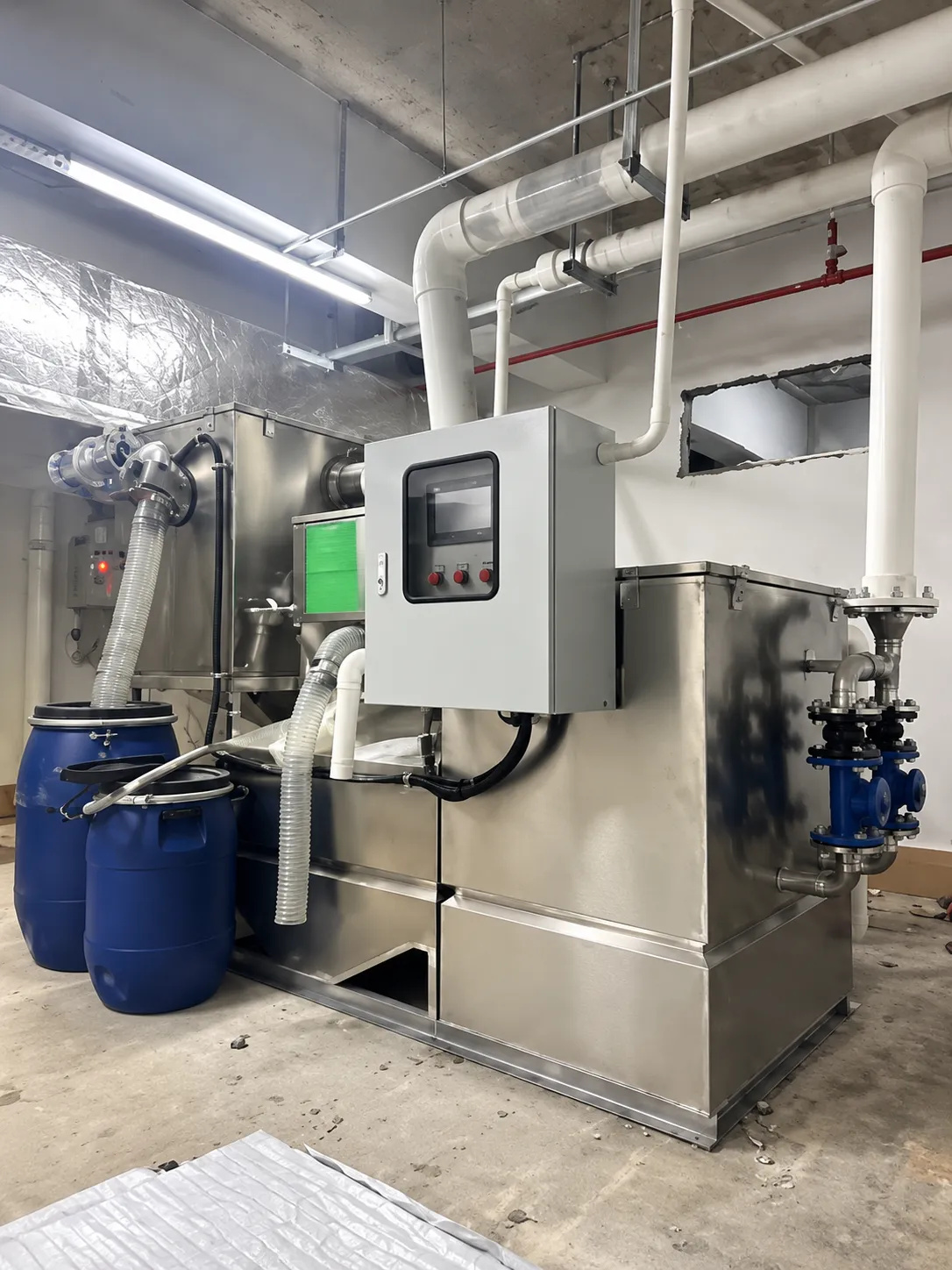
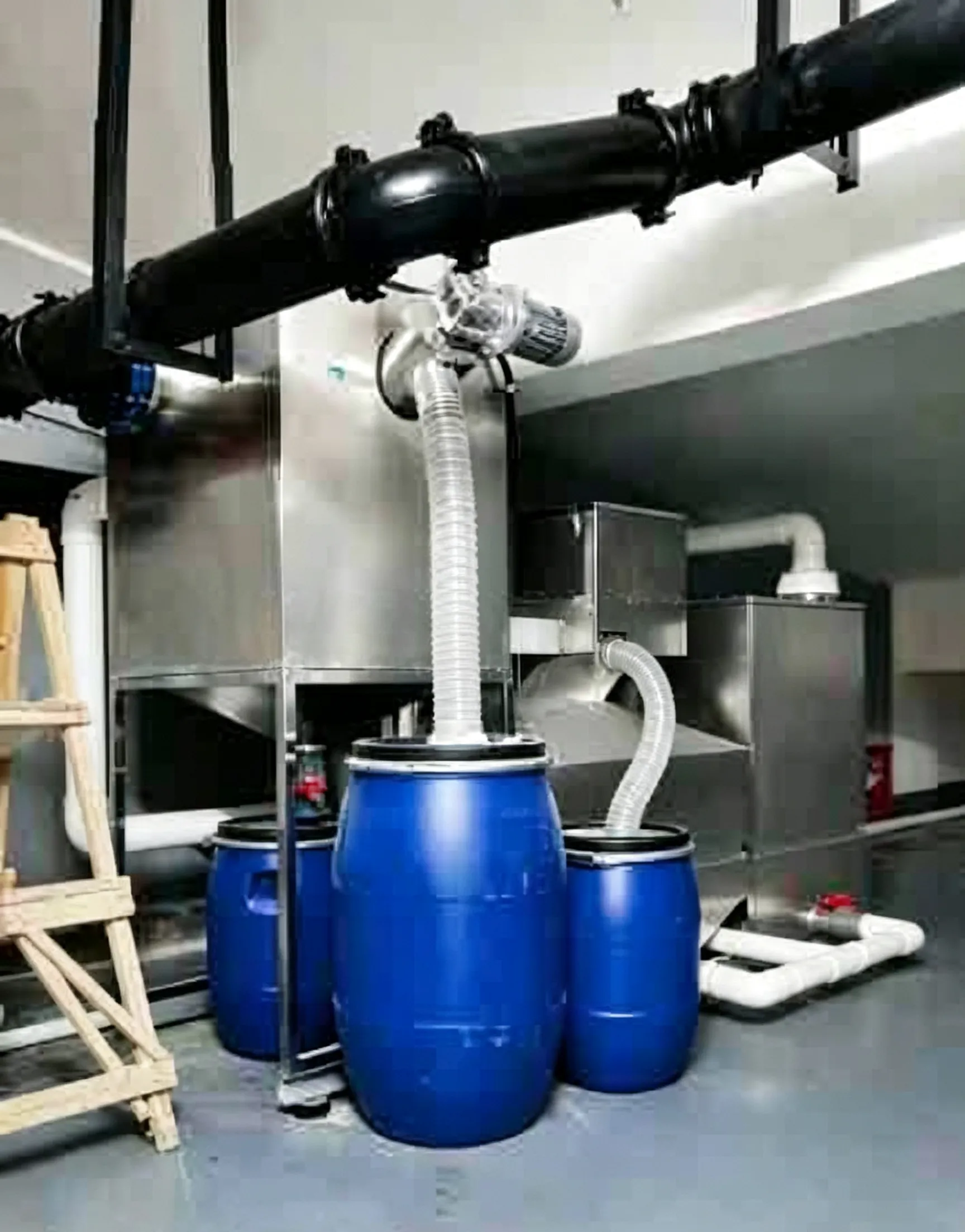
This innovative, integrated drainage solution employs a process featuring upstream interception via stainless steel channels and deep separation via downstream grease traps. Non-slip stainless steel drainage channels—equipped with raised anti-slip covers and built-in drainage gradients—are installed throughout the kitchen area. Wastewater from cooking stations and dishwashing zones flows into these channels, where the covers intercept vegetable leaves and food scraps, preventing large debris from entering downstream equipment. The channels connect to a stainless steel grease trap at the outlet, utilizing density differences to automatically separate and collect grease. Following multi-stage sedimentation and separation, compliant, clean water is discharged into the municipal network, while grease is collected in sealed containers for processing by certified disposal companies, creating a complete, closed-loop management chain.

The system supports customization using 201, 304, or 316-grade stainless steel. Drainage channels can be manufactured in various specifications—including straight, L-shaped, and custom configurations—to suit the specific kitchen dimensions of canteens, hotels, or snack streets, with matching grease trap capacities available for settings ranging from small fast-food outlets to large-scale canteens serving thousands. The stainless steel material is corrosion-resistant and—unlike traditional concrete channels—does not easily harbor grime or odors, significantly reducing kitchen operation and maintenance costs.

Implement a standardized commercial kitchen drainage model—combining pre-drainage slag removal with grease trap-based oil-water separation—by requiring newly opened food and beverage outlets to install compliant environmental drainage equipment during fit-out, while mandating phased upgrades for existing businesses; this approach curbs grease pollution at the source and safeguards the integrity of urban drainage networks and the aquatic environment.