Detailed Guide to Standardized Design and Application of Drainage Channels in Star-Rated Hotel Kitchens

Star-rated hotel kitchens, buffet areas, and banquet facilities generate large volumes of washdown wastewater containing food scraps and animal/vegetable fats daily. Efficient floor drainage is crucial for operational safety, hygiene, and environmental compliance. Traditional brick-and-cement trenches are prone to grease accumulation, cracking, and harboring filth, leading to odors and pests—failings that cannot meet the high hygiene standards required by hotels. Integrated stainless steel drainage channels, combined with grease separation and lifting equipment to form a complete pre-treatment system, have now become the standard infrastructure for new and renovated hotel kitchens.
I. Four Major Drawbacks of Traditional Cement Drainage Channels (Unsuitable for Hotel Kitchens)
1. Grease Penetration and Cleaning Difficulties
Cement is porous, allowing grease and food scraps to seep into the structure. Routine washing cannot thoroughly clean these deposits; long-term accumulation and fermentation cause foul odors, leading to hygiene inspection penalties and negatively affecting the kitchen's food safety rating.
2. Structural Fragility and Risks of Stagnant Water/Slips
Constant traffic from forklifts and carts causes the edges and corners of cement channels to crack and crumble. Potholes and stagnant water create slip hazards for staff, posing significant workplace safety risks.
3. Lack of Debris Filtration, Leading to Downstream Equipment Clogs
Old-style trenches are merely simple channels; vegetable leaves, bones, and scraps flow directly into the grease trap. This frequently clogs pipes and air flotation release mechanisms, drastically increasing the frequency of equipment cleaning and maintenance.
4. Non-Compliance with Food Service Hygiene Regulations
Hygiene regulations require kitchen drainage facilities to have smooth, easily washable surfaces free of sanitary "dead zones." The crevices in brick-built trenches harbor filth, making it difficult to pass inspections by market regulators and epidemic prevention authorities.
II. Key Advantages of Hotel Stainless Steel Drainage Channels
These hotel-specific drainage channels are manufactured from SUS304 stainless steel using integrated stamping and welding processes. Designed to withstand the heavy grease and frequent wash-down conditions of commercial kitchens, they come in three types—linear channels, U-shaped channels, and channels with debris-filtering baskets—to suit various kitchen layouts.
1. Smooth, sealed design with no dead zones; easy to clean and hygienic
The polished stainless steel surface allows grease and debris to be washed away instantly, eliminating issues like cement seepage or dirt accumulation. Seamless welding prevents gaps where bacteria or insects could breed, ensuring easy compliance with food safety and hygiene inspections.
2. High load-bearing capacity; suitable for heavy-duty kitchen traffic
Equipped with thickened, anti-slip grating covers, the channels withstand the constant movement of food carts and cleaning trolleys without deforming or cracking. The sloped channel bottom ensures rapid drainage of surface water, eliminating slip-and-fall hazards.
3. Built-in multi-stage debris baskets; protects downstream grease interceptors
The inlet features a removable debris filter basket that captures solid waste—such as vegetable scraps, bones, and leftover food—significantly reducing the amount of debris entering the integrated grease interceptor. This lowers the risk of clogs, extends the lifespan of the grease separation equipment, and reduces maintenance workloads.
4. Corrosion and grease resistant; leak-proof for long-term use
The stainless steel resists corrosion from animal/vegetable fats and acidic or alkaline detergents; unlike carbon steel or concrete channels, it will not rust or flake. The structure remains stable under prolonged exposure to hot and cold wastewater, ensuring long-term reliability for hotels without the need for frequent renovations or repairs.
5. Modular customization; adaptable to diverse hotel spatial layouts
Length, width, and depth can be customized based on kitchen dimensions and drainage points. Shallow channels suit cold-dish preparation rooms and plating areas, while deep, high-capacity U-shaped channels are ideal for frying stations and banquet kitchen areas. Both surface-mounted (open) and embedded (underground) configurations can be manufactured to meet specific requirements.
III. Complete Drainage Process for Hotel Drainage Channels
Oily wastewater generated from back-of-house cleaning and stovetop rinsing flows into stainless steel drainage channels;
Filter baskets at the channel inlets capture all solid food waste, which is manually removed and disposed of periodically;
The filtered, oily wastewater flows along the sloped channels to the main outlet and gravity-feeds into an integrated grease separation and lifting unit;
After oil-water separation and lifting, the treated effluent meets discharge standards and enters the municipal sewer network.
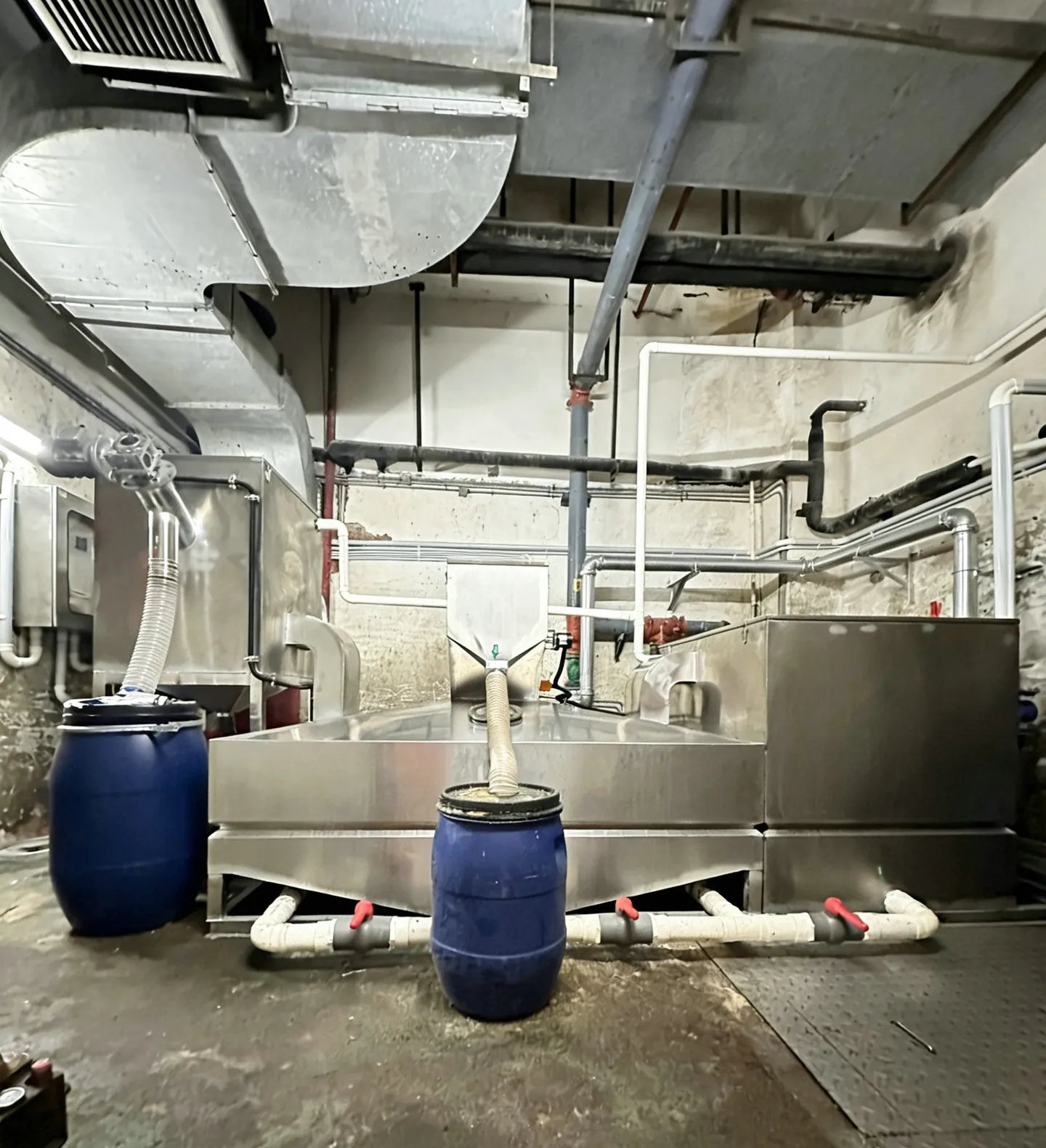
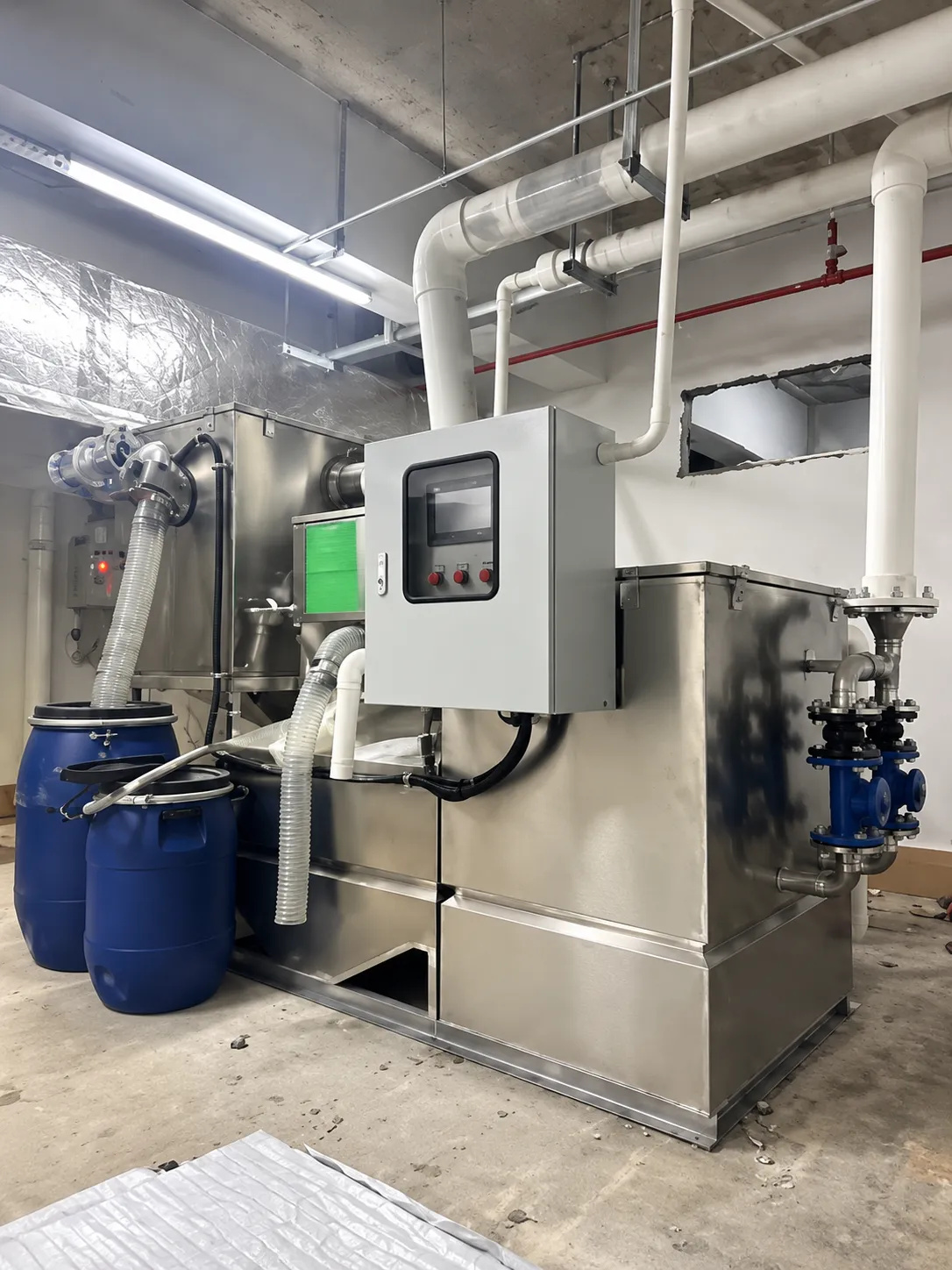
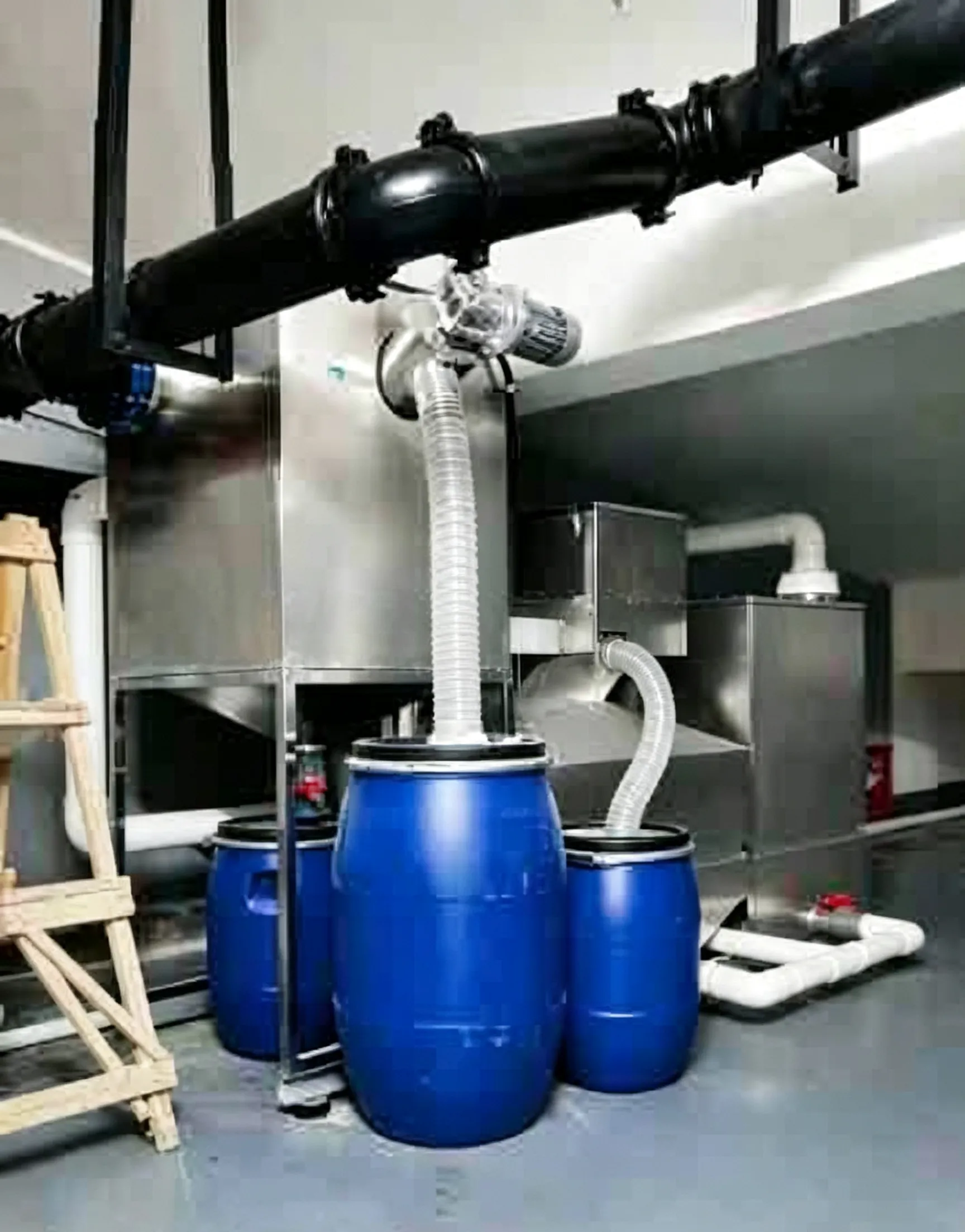
The combination of drainage channels and fully automatic grease separation equipment creates a closed-loop pre-treatment system, addressing the three major back-of-house drainage issues—grease, food waste, and standing water—from source to discharge.
IV. Selection Guide for Hotel Drainage Channels by Area
1. Hot Kitchen Frying Areas & Banquet Kitchens (High Grease & High Flow)
Select widened and deepened U-shaped stainless steel channels featuring heavy-duty double-layer grates and large-capacity waste baskets; these ensure rapid, high-volume drainage to handle peak loads during meal services and banquets.
2. Cold Food Prep, Dishwashing/Sanitization, and Plating Areas
Use narrow, linear stainless steel channels; their sleek, aesthetic design and shallow profile save floor space while meeting drainage needs for light cleaning tasks.
3. Hotel Service Corridors & Waste Storage Rooms
Install thickened, heavy-duty channels resistant to corrosion from wastewater and cleaning agents; these facilitate rapid drainage of large volumes of wash water and prevent odors from spreading to guest areas.
4. Basement Level 2 (B2) Kitchens
Design channels with steeper slopes paired with low-profile integrated grease separation units to prevent water pooling and sewage backflow.
V. Comprehensive One-Stop Service
For new hotel construction or kitchen renovation projects, we offer free planning for channel layout, dimensions, and slopes based on kitchen blueprints. We provide matching stainless steel waste baskets and anti-slip grates, integrating them with grease separation units to design a complete drainage system. All stainless steel drainage products come with certificates of conformity and test reports, assisting the hotel in securing food service licenses and passing environmental and health inspections to establish a clean, safe, and compliant standardized hotel kitchen drainage system.
Summary of Application Scenarios for Stainless Steel Drainage Channels
1. Hot Kitchen Frying Areas, Banquet Halls, and Buffets: High-capacity, heavy-duty U-shaped channels designed to handle heavy grease loads and peak drainage demands, while withstanding the weight of rolling food carts.
2. Dishwashing and Food Prep Areas: Corrosion-resistant channels equipped with upstream debris baskets to capture food scraps and protect downstream grease separation equipment.
3. Cold Dish and Pastry Prep Areas: Shallow linear channels featuring a clean, seamless design (free of hard-to-clean corners) that complies with food hygiene inspection standards.
II. Hotel Back-of-House Support Areas
Food service corridors, waste storage rooms, and kitchen loading docks: Corrosion-resistant and easy-to-flush systems that ensure rapid drainage of wash water, eliminating odors and slip hazards.
Modular channels can be customized in terms of width and depth to fit kitchen spaces of various sizes.
Core System Integration:
Stainless steel drainage channels can be paired with integrated grease traps or underground grease separation units to filter out debris at the source, meeting dual compliance standards for hygiene/epidemic prevention and environmental discharge regulations.